
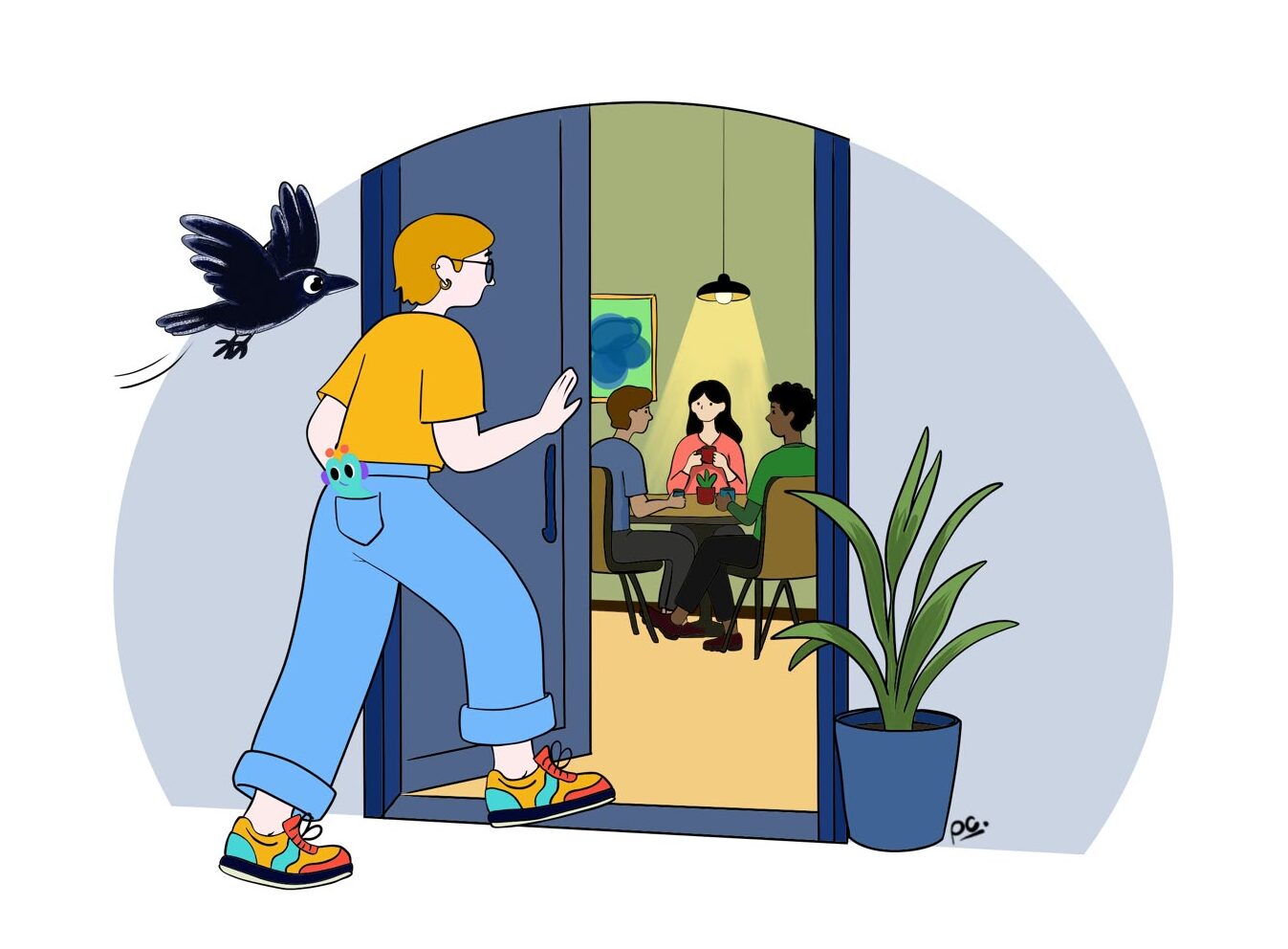
Conflict has never been my favourite territory. Open rows, direct confrontations, awkward silences, things left unsaid or outright cold wars: none of it appeals to me.
If I sense tension in a conversation or an uncomfortable implication, I change the subject, find a workaround, make the effort no one else is willing to make and buy peace at my own expense.
As you might imagine, I lose out in those situations. By quite a lot.
I’ve also faced direct conflict at work. I got through it by keeping my head down, usually, or trusting myself, rarely. It always left the same bitter aftertaste: I hadn’t made my point of view heard or honoured my own boundaries.
Even when the tension subsided and things went back to normal, the cost to me stayed high. I learnt to run from those situations.
When a conflict came up with a client a few months ago, my first instinct was the same: take it on the chin.
I soon realised what that would cost me if I didn’t address it. As a freelancer, staying silent sends a message of its own: if my client wants to do it again and ask for more without offering anything in return, they can.
I needed to face it, and quickly.
I didn’t know which thread to pull first, so I reached for my best tool: Cocobot for help with the interaction.
I described the situation in a few words. Reading it back in different words already gave me some encouragement. The situation was fairly common, and I had good reason to feel the way I did. Cocobot suggested three exercises to help me decide where I stood.
I chose two: Karpman’s drama triangle to think through the situation, followed by the Feedforward model to help me reset expectations.
The two exercises flowed naturally. The first helped me step out of the familiar victim–rescuer–persecutor triangle, approach the situation as an adult and practise being assertive. A role-play helped me regain my confidence quickly.
Then I put together a course of action I could use straight away. I’d tried Feedforward before and found it especially helpful.
An hour later, I felt sure of where I stood and sent my client an email. It was a first step towards speaking up for myself more assertively.
As it happened, assertiveness was the topic of my coaching session with Jenny that same day. This time I’d worked through the exercise on my own before meeting with my coach.
And it didn’t stay theoretical: a few hours later, I’d secured a new long-term contract!